'>

Tuesday, 3 February 2026

Mapping the Deep: Insights from the SIFIDS Work Package 8B Report

Mapping the Deep: Insights from the SIFIDS Work Package 8B Report

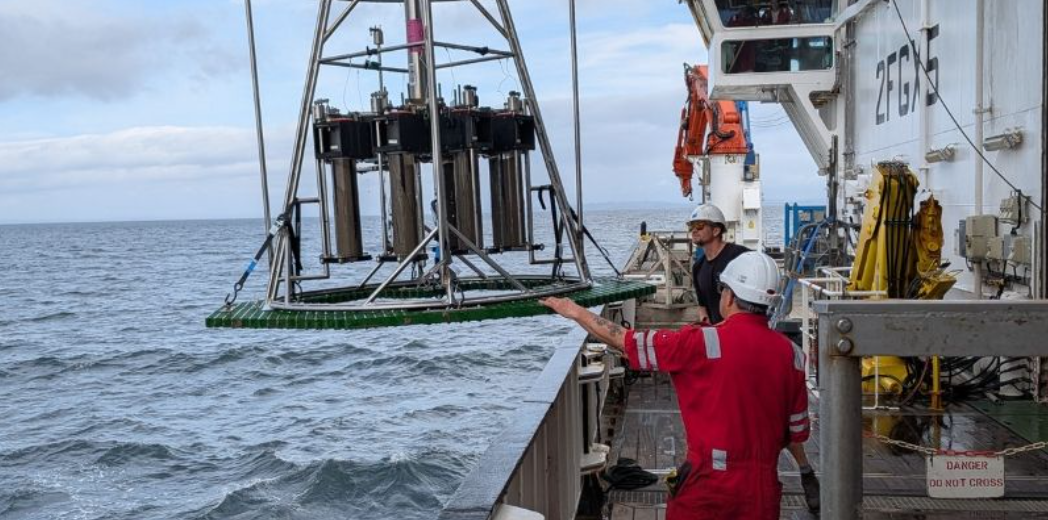
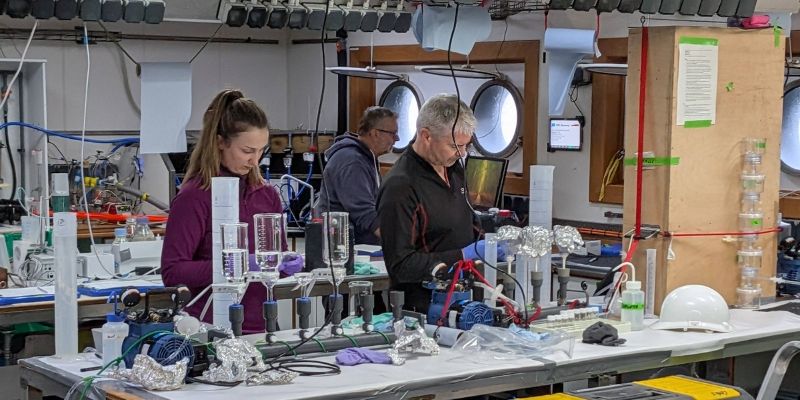
Of great relvance to Newlyn, a beacon of data-driven insight has emerged from the north. The Scottish Inshore Fisheries Integrated Data System (SIFIDS) has released its final report —a document that attempts to bridge the gap between the unseen movements of the inshore fleet and the regulatory frameworks that govern them.

The report, titled "Identifying fishing activities and their associated drivers," marks a significant step forward in how the industry might navigate the "spatial squeeze" of the 21st century. For a region likethe Suth West, which has long relied on the intuition and hard-won knowledge of its skippers, the findings offer a glimpse into a future where technology and tradition are increasingly intertwined.


Mapping the Unseen
"Fishing activity isn't just a matter of where the fish are; it is a complex dance driven by a multitude of factors."
Breaking the Disconnect
Looking Ahead

The report focuses on a perennial challenge for the inshore sector: the lack of high-resolution data. While larger offshore vessels are tracked with precision, the activities of smaller inshore craft have often remained in the shadows of official datasets. The SIFIDS team utilized Automatic Identification System (AIS) data to track vessel movements, but they went a step further—investigating whether these digital footprints could be used to accurately infer specific fishing patterns.

The report identifies that the "drivers" behind every haul are manifold, ranging from weather patterns and seasonal biological cycles to the economic pressures of market prices and fuel costs. By analysing these drivers, the study provides a more granular understanding of how the fleet operates within the marine environment.

A central theme of Through the Gaps! is breaking the disconnect between the work performed at sea and the policy decisions made on land. The SIFIDS report serves this mission by providing a robust, objective evidence base. In an era where offshore renewable energy projects and Marine Protected Areas (MPAs) are competing for the same stretches of water, having "digital proof" of fishing grounds is no longer a luxury—it’s a necessity for the industry's defense.

The study emphasises that involving the industry in data collection is paramount. Over 130 vessel skippers participated in the wider SIFIDS project, proving that when fishermen are treated as partners in research, the results are both more accurate and more respected. This collaborative approach mirrors the spirit of the Newlyn community, where the digital lighthouse and physical labor must work in tandem.

As the industry moves toward a "Digitalisation Roadmap," reports like this one from the SIFIDS project provide the coordinates. They remind us that while the sea remains a volatile and four-dimensional workplace, the tools we use to understand it are becoming sharper.

For the readers of Through the Gaps!, the SIFIDS report is a reminder that the future of fishing lies in the data. Whether it’s documenting the arrival of the morning market or mapping the high-value grounds of the inshore fleet, the goal remains the same: ensuring that the vital work of the fishing community is recognized, respected, and protected for the generations to come.

Watch: Introduction to the SIFIDS Project

Monday, 2 February 2026

A dry and chilly start to the week in Newlyn this Monday morning.


Early Monday morning manoeuvres in the dark...


it seems an age since these appeared on the market...


cracking bream...


too many dogs for one boat...


a market full of net caught fish this morning...


and there is bass everywhere you look...


and octopi too...


plenty of pollack...


bass...


bass...


more bass...


and still more, the sea must be full of bass...


hake catches are a bit patchy for the likes of the Silver Dawn...


Britannia V...


Ocean Pride


Stelissa...


and Ajax...


slip time for the Trevssa IV...


tons of stone is now lined up waiting on the Stone Quay as most locals refer to the South Pier...


all set to be loaded aboard this waiting barge and towed over to the Scillies...


loooks like plenty of work on the nets for the boys aboard the Joy of Ladram...


both Admirals from the Interfish fleet at rest, boxes at the ready.

Saturday, 31 January 2026

Two artworks of Newlyn sold at Penzance 'Contents of a Gentlemans Town House' auction.

Geoffrey Sneyd Garnier: The Printmaker of Newlyn

While many in the Newlyn School sought to capture the Cornish light through oil on canvas, Geoffrey Sneyd Garnier (1889–1971) approached the coast with the precision of an engineer. A former gold prospector in the Yukon, Garnier arrived in Newlyn in 1913 to study under Stanhope Forbes, eventually becoming the colony’s preeminent master of etching and engraving.

A Technical Master in an Oil-Painted World

Garnier was unique among his contemporaries for his devotion to printmaking. His background in engineering translated into a meticulous technical skill that he even shared with the renowned painter S.J. "Lamorna" Birch, whom Garnier taught to etch.

Working out of Orchard Cottage off Trewarveneth Street in Newlyn with his artist wife, Jill Blyth, Garnier became a central figure in the Newlyn and Lamorna social circles. He was particularly famous for his revival of 18th-century aquatint techniques, allowing him to produce atmospheric, tonal works that captured the mist and grit of the Cornish coast.

Newlyn Harbour in Ink

Garnier's work frequently centers on the industrial pulse of Cornwall. His etchings of Newlyn Harbour—such as this piece which sold for £90—are celebrated for their intricate depictions of:

  • Maritime Life: The tangled masts of fishing luggers and the historic naval vessels that frequented the bay.

  • Architecture: The steep, crowded silhouettes of Newlyn’s old town rising above the water.

  • Atmosphere: Subtle gradations of light achieved through painstaking acid-etching processes.

Today, Garnier’s work is held in prestigious institutions, including the Royal Collection and Penlee House, serving as a vital graphic record of Cornwall’s maritime heritage..


Etching by Geoffrey Sneyd GARNIER (1889-1971) Newlyn Harbour Etching, signed, titled and inscribed, HxW 21.5x27.

Second to go under the hammer was this watercolour sketch, artist unknown titled, "Newlyn Fish Market". This simple watercolour sketch measured 11x17.5 cm with Somerset & Wood fine art company label on the reverse. Although unsigned, this original work made £280!


Friday, 30 January 2026

Just published, the 2025 Fishing Industry Social Survey


A new report, the Fishing Industry Social Survey (FISS), shares the findings from the first-ever national, statistically robust, and open-access dataset focused on the everyday lives and views of fishermen in England. The survey was commissioned by the Department for Environment, Food and Rural Affairs (Defra) and conducted between January and March 2025. The aim was to gather social information to complement existing data on economic performance and fleet composition.

Key Findings

The FISS reports the following key findings:

  • Fishing as a Way of Life, But Under Pressure: A large majority of respondents are motivated by 'fishing as a way of life' (94%) and the appeal of 'being their own boss' (88%). Job satisfaction is strong (79% 'satisfied' or 'very satisfied' with the enjoyment of their work), but this livelihood is stressed by 'fisheries rules, regulations and administration' (85%), 'spatial squeeze from other marine users' (73%), and 'uncertainty about the future' (65%).
  • Mixed Views on Fisheries Management Plans (FMPs): While 82% had heard of FMPs or taken part in the process, only a small proportion of those engaged felt fully engaged (31%), or that the FMPs considered the needs of a wide range of stakeholders (29%). Half of those engaged believe FMPs may have negative long-term implications for the industry economically (49%), socially and culturally (48%), and their own livelihoods (49%).
  • The Future of the Workforce: The industry faces a potential succession challenge, with 69% of the primarily skipper respondents aged 50 or older, and only 9% under 35. Workforce shortages are a current issue, with 63% of respondents reporting that a lack of crew causes them stress.
  • Representative Support Structures and the Collective Voice: 67% of respondents are members of representative organisations. Although 82% view 'good local representation and organisation of fishermen' as important to job security, one-third (33%) are not members of any such group.
  • Economic Pressures and the Importance of Flexibility: 56% of respondents were dissatisfied with the long-term economic viability of working in fishing. Flexibility is key to resilience; 77% see the ability to switch gears on vessels as important to job security, and one-third (33%) have other income outside of fishing.
  • Port Infrastructure: Satisfaction with port infrastructure is mixed. Around half were satisfied with facilities like safe embarkation/disembarkation (51%), ice facilities (49%), and refrigerated storage (48%). Dissatisfaction was expressed with facilities for vessel maintenance (51%), toilet and shower facilities (44%), and recycling/disposing of broken gear (41%).
  • Strong Support for Marine Conservation, If Aligned with Livelihoods: 80% of fishermen surveyed view marine conservation and restoration as important to their job security, linking environmental concerns to social and economic considerations.


Recommendations and Looking Ahead

The FISS headliner report does not contain specific recommendations, but it outlines how the survey results will be used and how the process will continue. The results are intended to provide a more accurate representation of life in fishing communities, helping to inform future policies that ensure a sustainable and prosperous industry.

The intention for the future is as follows:

  • Regular Updates: The survey is expected to run once per year or every two years in England to regularly update the evidence base and track changes over time.
  • New Participants: A largely new group of fishermen will be invited to participate in each subsequent survey.
  • Adaptable Questions: Some questions may be replaced or updated in future surveys to account for emerging issues while maintaining a core set of regular questions.
  • Potential for Roll-out in Devolved Governments: Policymakers from the devolved governments were consulted on the potential for future roll-out in Scotland, Wales, and Northern Ireland.
  • Informing Policy: The FISS will help build a reliable, responsive evidence base for decision-making, ensuring that social benefits and the needs of fishermen and their communities are considered, aligning with the sustainability objective of the Fisheries Act (2020). It is hoped the data will inform future management decisions and policies, providing a mechanism for the voices of the fishing industry to reach policymakers.


For more information from Defra read here.

Unravelling The Nets: An examination of the seafarer visa policies and their impact on migrant fishers in the UK


Men at work - migrant fishing crew in Newlyn.


There has been growing concern regarding the working conditions and safety of migrant fisher workers in the UK. The fishing industry is vital: the workers on which is relies are of central importance to government, retailers and producers.

Labour exploitation in the fishing sector is not simply a matter of individual bad actors; it is underpinned by legal and regulatory gaps. These gaps facilitate poor labour standards, limited inspections, and a lack of meaningful enforcement at sea.

Addressing these issues requires urgent reform. To achieve that, an understanding of the existing entry and immigration rules for migrant fishers is essential. From that understanding, we can make effective recommendations on how all workers employed in British vessels can access rights as workers.

FLEX’s report “Unravelling the nets: An examination of the seafarer visa policies and their impact on migrant fishers in the UK” addresses this knowledge gap by providing an in-depth analysis of the seafarer and fishing-related visa and entry clearance policies in the UK, and their specific impact on migrant fishers.

Alongside this report, FLEX has also produced a Policy Summary, which summarises the policy context and what changes must be explored as a matter of urgency.


Thursday, 29 January 2026

Explore a life at sea. Discover your future in the fishing industry.


Cast Off for a New Career: Brixham’s Deckhand Discovery Day

For those who have ever looked out at the horizon and wondered what a life at sea truly entails, the South Western Fish Producers' Organisation is opening the gates to the industry. On 18 February 2026, the Brixham Fish Quay will transform into a classroom for the Deckhand Discovery Day, offering a rare, hands-on look into the world of commercial fishing and marine careers.

This event is designed to bridge the gap between curiosity and a career. Whether it's a student weighing their options, a school leaver ready to dive in, or a professional seeking a total change of scenery, the day provides a transparent look at what happens from the moment a vessel docks to the point the catch hits the market.


What to Expect on the Quay

The Discovery Day isn’t just a lecture; it’s an immersive experience. Attendees will have the opportunity to:

  • Tour the Market and Vessels: See the inner workings of one of the UK's busiest fishing ports.

  • Meet the Pros: Speak directly with experienced skippers and crew members about the reality of life on the water.

  • Get Hands-On: Watch fishing gear demonstrations and learn about the technical side of the trade.

  • Map a Future: Discover specific training requirements and career pathways that lead to long-term success in the seafood sector.

Event Logistics

  • Date: 18 February 2026

  • Time: 09:00 – 12:00

  • Location: Brixham Fish Quay

  • Requirement: No experience is necessary, though sturdy footwear is highly recommended for the working environment of the quay.

The maritime industry offers a unique blend of physical challenge, technical skill, and community. This event serves as the perfect first step for anyone ready to explore a future where the office view changes every single day.

To secure a free spot, interested parties should contact office@swfpo.org.uk.

Wednesday, 28 January 2026

Octopus Bloom off the Southwest UK: Key Findings for Commercial Fishermen


The final report on the common octopus (Octopus vulgaris) bloom in Southwest UK waters (Work Package 1) has been released, offering important insights into the 2025 event and its impact on the fishing industry, particularly for those targeting shellfish.

Summary of the 2025 Bloom and its Causes:
  • The 2025 bloom of common octopus off the Southwest UK coast was confirmed as an exceptional event, comparable in scale to previous blooms in 1899-1900, 1932-33, and 1950-51.
  • The total landings of O. vulgaris by the end of 2025 were almost 65 times higher than the annual average between 2017 and 2024.
  • High abundance was generally seen from April to July 2025, peaking in May, with a distinct drop in August. However, some vessels again reported very large catches in November and December 2025.
  • Environmental analysis consistently associated the 2025 bloom—and all historical blooms—with unusually warm sea and atmospheric temperatures during the peak year and the preceding year. This is thought to have increased breeding success, enhanced overwinter survival of juveniles, and led to rapid growth into adults.
  • Modelling suggests that under the prevailing conditions, octopus larvae may have been transported from large blooms in the Channel Islands to the UK coast, potentially contributing to the UK increase.
  • Fishermen's observations indicated that movements were a key factor, with reports of octopus moving from offshore to inshore waters as the season progressed.


Impact on the Fishing Industry:
  • The bloom had a mixed effect on crab and lobster fishermen, the majority of the survey respondents.
  • Negative Impact: 57.6% of crab and lobster fishermen surveyed reported a negative effect on their business between January and August 2025. Predation by octopus on brown crabs (Cancer pagurus), European lobsters (Homarus gammarus), and king scallops (Pecten maximus) in fishing gear and the natural environment was cited as the largest negative effect.
  • Positive Impact: 27.3% of the same fishermen reported a positive effect, largely due to their ability to adapt and successfully target octopus instead of shellfish for a period.
  • Landings data from ICES area 7e (the area of concentration for the bloom) for January to August 2025 showed significant declines in non-octopus shellfish landings compared to the average for the same period in 2021-2024:
    • Brown crab landings dropped by 52%.
    • King scallop landings dropped by 52%.
    • European lobster landings dropped by 30%.
  • Gear Type: Pots were by far the dominant gear used to land octopus, accounting for 68.2% (695 tonnes) of the total landed tonnage from January to August 2025, followed by beam trawls (33.7%, 367 tonnes).
Looking Ahead (Recommendations):
  • The chance of the bloom continuing or reoccurring is considered high, given the trend of warmer-than-usual conditions due to climate change.
  • Fishermen expressed a need for support to adapt, including:
    • New or different gear, especially pots or traps specifically designed to catch octopus.
    • Better market access for selling octopus.
    • Increased provision of ice and appropriate fish boxes for octopus.
    • More adaptable management regulations.
  • An urgent investigation into the social and economic impact on affected fishing communities is recommended.
  • Further research and monitoring are recommended, including expanding trawl and BRUV surveys, and acoustic tagging of common octopus in the English Channel to better understand any large-scale movement or migration.
You can red the full report from Plymouth Marine Science below or download it here: