'>

Monday, 23 March 2026

Cloudless sky but not the warmest start to the week.

A mysterious hole appeared overnight in Newlyn, police are looking into it...


take a whole bunch of plastic trays to fill the hole...


and cover...


it's bottom scrubbing time...


and a chilly, dull, grey but dry start to the week...


always on the lookout for a free breakfast...


halibut on the market?..


a sure sign there's a Scottish prawn boat landed over the weekend......


black bream...

and weavers...


there was plenty of inshore fish on Monday's market floor...


inscruitible smiles on these members of the shark family...


auction maestro Steve checks off the auction tallies...


the suckers are a give away...


amd this is one of the main sources of nourishment...


for the Mediterranean octopus invasion...


which shows no sign of any let up just yet...


calm enough this morning...

as the Ocean Pride heads for the gaps...


as skipper Alan Dwan steers the Kelly of Ladram away to sea past an inbound punt...


the black-hand gang are in town...


as a Spanish Flag of Convenience long liner, Monte Mazanteu makes another of her obligatory landings in the UK


Friday, 20 March 2026

Where there's a hole.


Work on the new Seafood Cornwall raining Centre building continues...


now that's one big soakaway, well below sea level...


with the sardine season now over its that time of year qwhen the net comes off the boat for an end-of-season overhaul, 10mm mesh takes painstaking mending too...


Fridau morning sees a very quiet market which was washed down and looking very quiet...


with nothing more than a handful of inshore boxes...


on the auction this morning...


one box washer, drowned in soap suds...


the sounds of Spring ring in the air this morning to the sound of chipping hammers aboard the New Venture...


and the sea safari trip boat Mermaid breaks cover...

Newlyn is expecting the first of the Scottish prawn boats later today - expect to see the Faithful Star around highwater, the Ocean Vision  and Revival will arrive over the weekend with the Vision V close on their tails!


Wednesday, 18 March 2026

There's never a quiet moment in Newlyn


Out with the old, in with the new, another big fender takes shape...


the morning's catch bound to a plate near you...


always a smile with these guys aboard the netter Ajax...


two more visitors...


lucky young James with his new punt, imagine having the benefit of over 150 years of fishing experience on hand to best advise you just when you need it!..


gear time aboard the two biggest Stevenson beamers...


paint up time on the slip...


watched by some of the local shag population airing their wings...


time to paint in the waterline...


on the Karen N, one of the Nowell's fleet...


restoration work is making the Old Quay look very spruce these days...


even the streets of Newlyn have a strong connection with artists...


won't be long before SCT move into their siny new home further down the Strand...


where the fishermen of the future will learn new skills like net making and setting...


while you are in Newlyn, a table at the Tolcarne Inn enjoying Michelin Star quality fish dishes...


while watching the boats come in, is a must! Catch Happy Hour from 5-6pm every evening!

Tuesday, 17 March 2026

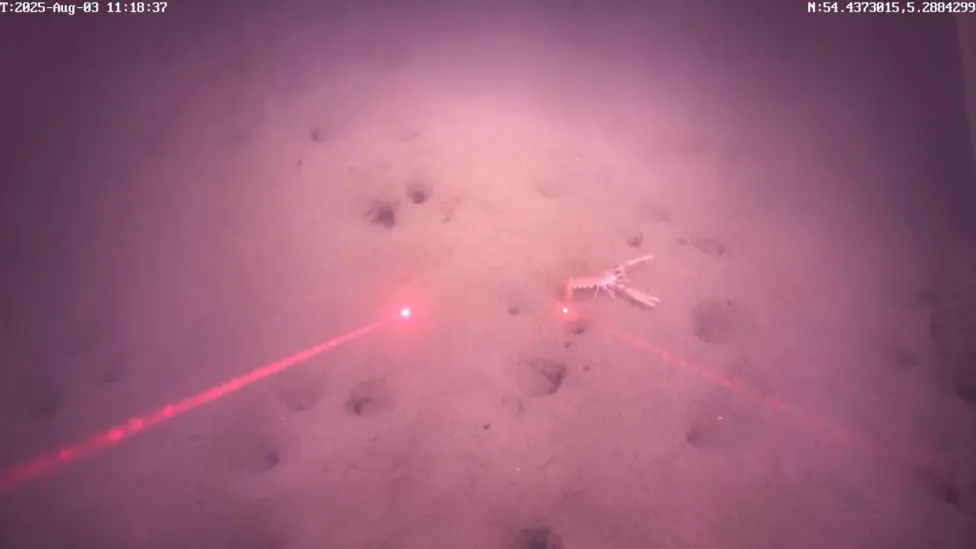
Counting the Invisible: The Science of the Nephrops Burrow Survey

Every year, Underwater Television surveys are carried out to monitor the seabed in several different locations

For those who make a living on the water, the Nephrops norvegicus—better known as the Dublin Bay prawn, langoustine, or scampi—is a cornerstone of the UK fishing economy. However, managing these stocks requires more than just monitoring landings. It requires a specialized form of underwater detective work.

Recently, an international group of scientists gathered at the Agri-Food and Biosciences Institute (AFBI) in Belfast to refine the "art" of the Underwater Television (UWTV) survey. This annual training ensures that both veteran researchers and new analysts are calibrated to the same high standard before the summer survey season begins.


The Proxy Method: Counting Burrows, Not Prawns

The primary challenge in assessing Nephrops populations is their behavior. Unlike many commercial species that swim in the water column, prawns are seabed dwellers that spend the vast majority of their lives inside complex burrow systems.

Because the animals are often hidden, scientists cannot rely on counting individual prawns. Instead, they use the burrow as a proxy for the inhabitant.

  • The Technique: Researchers deploy cameras on sleds that are towed across the seabed in various locations.

  • The Identification: Analysts must distinguish a Nephrops burrow from those created by other marine life or natural depressions in the silt.

  • The Markers: A true prawn burrow typically features a "driveway"—a signature mound of excavated sand—and usually consists of two or more entrances to allow the animal to transit through.

A Collaborative Effort Across the Irish Sea

Monitoring the Irish Sea is a cross-border endeavor. Scientists from AFBI, the Marine Institute in Galway, and the Centre for Environment, Fisheries and Aquaculture Science (CEFAS) in Lowestoft work in tandem to cover both the western and eastern sectors.

Dr. Pia Schuchert (AFBI) and Jennifer Doyle (Marine Institute) have spent years studying these habitats. Their work, alongside colleagues like shellfish scientist Chris Firmin, ensures that the data used to set fishing quotas is based on precise, non-invasive observation. This method allows for a comprehensive look at the habitat without the need to catch the animals during the assessment phase.

Economic and Environmental Stakes

The precision of these counts has significant real-world implications:

  • Economic Value: Prawn fishing is worth approximately £114 million annually to the UK and €61 million to Ireland.

  • Ecological Role: Beyond their market value, prawns act as a vital link in the marine food web, consuming algae and decaying matter while serving as a primary food source for larger predators.

  • Seabed Mapping: The data also feeds into broader projects, such as Northern Ireland’s initiative to become the first part of the UK to have its entire seabed recorded.

As the industry prepares for the upcoming season, the work conducted in Belfast ensures that the "peek-a-boo" nature of the Nephrops doesn't stand in the way of sustainable fishery management.

This story thanks to Louise Cullen, Louise is BBC News NI's agriculture and environment correspondent.