'>

Tuesday, 8 November 2022

Have your say on the crab & lobster Fisheries Management Plan (FMP)

Outlined below is the Fisheries Management Plan (FMP) for shellfish - but interestingly enough while it covers crab, lobster, and whelk it does not specify spider crab or crawfish - both of which have in recent years attracted boats back into the fishery as stocks and sales opportunities have grown - hopefully, these are being included in the forthcoming discussions.


Spider crab landed in Newlyn.

Fisheries Management Plans (FMPs)

Information on what Fisheries Management Plans (FMPs) are, which plans we are helping to develop and opportunities for stakeholder engagement.

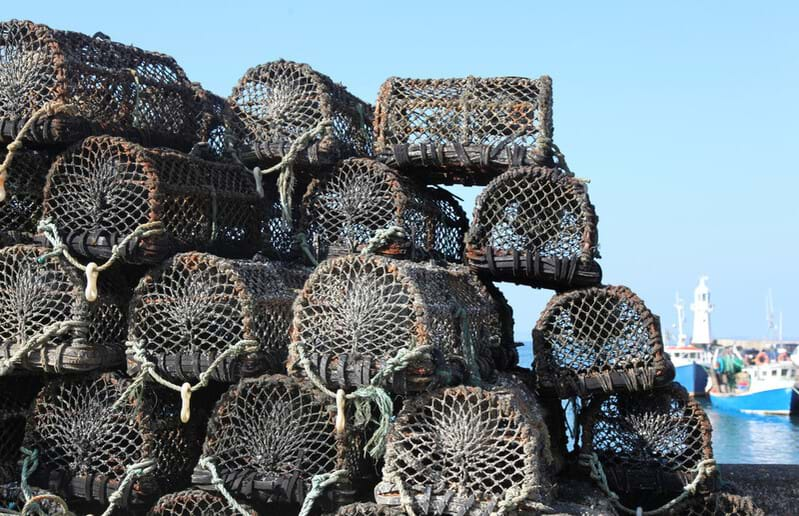
A stack of pots or creels on pier with boat in background


What are FMPs and why are they being developed?


FMPs are evidence-based action plans, developed with input from industry and other stakeholders. They will set out a range of policies – based on scientific evidence – that detail how fishing is managed, by stock, fishery, or location. FMPs will be based on best available science, fisher experience, and policy objectives through participation of key stakeholders. This will include fishermen, researchers and regulators.


"FMPs will provide the framework to build and maintain sustainable UK fish and shellfish stocks. They set out policies for keeping stocks at sustainable levels, or restoring them to sustainable levels where needed. Their purpose is to support a vibrant, profitable, and sustainable fishing industry for current and future generations."


Following Brexit, the UK Fisheries Act 2020 placed FMPs as the main tool for reforming UK fisheries management. The Joint Fisheries Statement (JFS) will provide a more detailed, follow-on document from the Fisheries Act when it is published in November 2022. It will set out the final list of Fisheries Management Plans. This will include the chosen stocks, the authorities involved, and the timetable for implementation. 


Responsibility for developing FMPs across the UK sits with the following authorities: 


  • In England – Department for Environment, Food & Rural Affairs (Defra)  
  • In Northern Ireland - Department of Agriculture, Environment and Rural Affairs (DAERA)  
  • In Scotland – Marine Scotland  
  • In Wales – Welsh Government 


Once up and running, FMPs will be monitored, reviewed, and adapted as necessary to ensure they are fit for purpose. Effectiveness will be regularly assessed and reported on at least every three years, and reviewed fully every six years (as a maximum). Reports will note progress on the implementation of policies in an FMP and the subsequent effects on sea fish stock levels in the UK. 
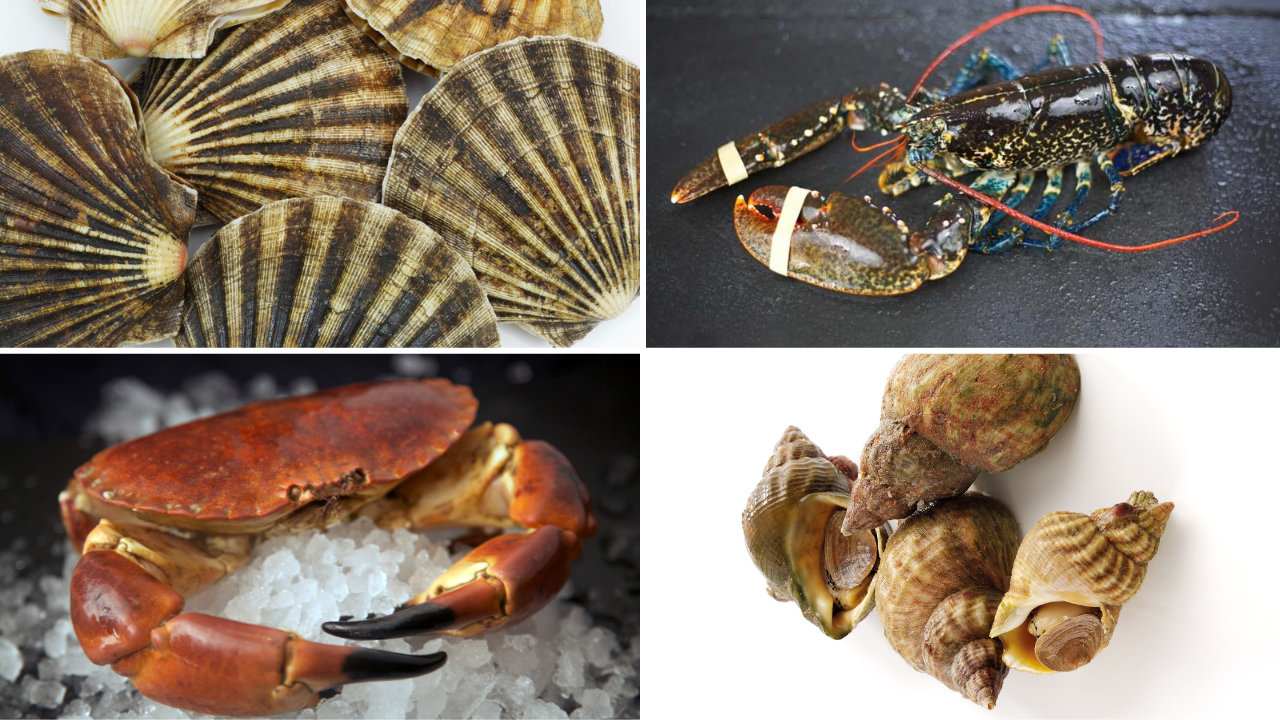

Photos of scallops shells, lobster on slate, crab on ice and pile of whelks

Scallops, lobster, crab and whelks are species covered in frontrunner FMPs

What are frontrunner FMPs?


Defra is developing six ‘frontrunner’ FMPs, which are being prioritised for delivery in 2023. These plans will cover the following species: 


  • Crab and lobster
  • Whelk 
  • King scallop 
  • Bass 
  • Channel non-quota demersal stocks 
  • Southern North Sea and Eastern Channel mixed flatfish 


These frontrunners will pilot different ways of preparing FMPs in partnership with industry and other stakeholders. Lessons learnt from these projects will help shape future FMP work. 


How are we involved in the development of FMPs?


In England, Defra has commissioned us as the delivery lead on two of the six ‘frontrunner’ FMPs that cover English waters only: 


  • The crab and lobster FMP  
  • The whelk FMP 

We are coordinating this work through our industry-led advisory groups, you can find out more about these groups from the links below: 


We are also supporting the Scallop Industry Consultation Group's Working Group in developing the FMP for king scallop in English and Welsh waters.

Are there opportunities to engage with FMP development?


Yes, stakeholders will be able to engage throughout the drafting process and then comment during the public consultation.  


We are running a roadshow of in-person and online stakeholder engagement events for the plans we are working on in autumn 2022. The timetable of these events are below:


Please note, we have now added dates for crab, lobster and whelk events, further details on times and locations will be added here shortly. 


Engagement area Related FMPMeeting date and timeEvent location 
Shoreham-by-Sea King scallop

Tuesday
27 September
5pm to 7pm 

The Gather Inn, 330 Kingsway, Brighton and Hove, BN3 4LW
BrixhamKing scallop

Wednesday
5 October
10am to 12pm

BTA Training Room, The New Fish Quay, Brixham, TQ5 8AW
Plymouth  King scallop

Thursday
6 October
10am to 12pm

Auction Room, Fish Quay, Plymouth,
PL4 0LH
Western Channel
online event
King scallop

Tuesday
11 October
2pm to 3.30pm 

Online via Microsoft Teams
HartlepoolKing scallop

Thursday
13 October
5pm to 7pm

Hodgsonfish, Fish Quay, Hartlepool, TS24 0JH
Bangor  King scallop

Tuesday
18 October
5pm to 7pm

Ssestiniog Suite, Bangor University, Bangor, Gwynedd, LL57 2DG

Eastern Channel
online event

King scallop

Wednesday
19 October
2pm to 3.30pm 

Online via Microsoft Teams
North Sea
online event
King scallop

Thursday
27 October
2pm to 3.30pm 

Online via Microsoft Teams 
KircudbrightKing scallop

Wednesday
2 November
5pm to 7pm

Selkirk Arms Hotel, High St, Kirkcudbright, DG6 4JG
PeterheadKing scallop

Thursday
3 November
5pm to 7pm 

Palace Hotel, Prince St, Peterhead,
AB42 1PL
Weymouth Whelk 

Tuesday
8 November
10am to 12pm 

Best Western Hotel Rembrandt,12-18 Dorchester Rd, Weymouth, DT4 7JU 
Salcombe 
Crab 

Tuesday
8 November
4pm to 6pm 

Salcombe Yacht Club - Cliff House, Cliff Rd, Salcombe, TQ8 8JQ 
Ilfracombe Crab & whelk

Wednesday
9 November
10am to 12pm 

The Royal Britannia Hotel, Ilfracombe,
EX34 9EE 
 
Wider stakeholder engagement eventKing scallop 

Wednesday 
9 November 
11am to 12.30pm  

Online via Microsoft Teams 
Irish Sea/Celtic Sea/Wales
online event
King scallop

Wednesday
9 November
2pm to 3.30pm 

Online via Microsoft Teams
Padstow Crab 

Wednesday
9 November
4pm to 6pm

Padstow Harbour Hotel, Station Road, Padstow, PL28 8DB
Newlyn Crab 

Thursday
10 November
1pm to 3pm

Wheal Betsy room, The Centre Newlyn, Chywoone Hill, Newlyn, Penzance, TR18 5AR
Bridlington Crab 

Tuesday
15 November
5pm to 7pm

Bridlington Spa, South Marine Drive, Bridlington, YO15 3JH

AmbleCrab

Thursday
17 
November
5pm to 7pm

The Radcliff Room, Charles Rd, Amble, Morpeth, NE65 0RA 

Drop in session 1
(all areas)
Crab

Friday
18 November
2pm to 3:30pm

Online via Microsoft Teams

Shoreham-by-Sea / Eastbourne Crab 

Tuesday
22 November
1pm to 3pm 

Shoreham Yacht Club, 85/89 Brighton Road, BN43 6RF

Wider stakeholders engagement eventWhelk

Tuesday
22 November
1pm to 2:30pm

Online via Microsoft Teams

Shoreham-by-Sea / Eastbourne Whelk 

Tuesday
22 November
4pm to 6pm 

Shoreham Yacht Club, 85/89 Brighton Road, BN43 6RF
Drop in session 2
(all areas)
Whelk

Wednesday
23 November
2pm to 3:30pm

Online via Microsoft Teams
Wider stakeholders engagement eventCrab

Thursday
24 November
1pm to 3pm

Online via Microsoft Teams
FleetwoodWhelk

Tuesday
29 November
4pm to 6pm 

The Queens Hotel, Beach Road, Fleetwood, FY7 8PR
Drop in session 3
(all areas)
Crab

Thursday
1 December
2pm to 3:30pm

Online via Microsoft Teams
Drop in session 4
(all areas)
Whelk

Wednesday
7 December
2pm to 3:30pm

Online via Microsoft Teams
Wells Whelk

Tuesday
13 December
5pm to 7pm

Wells Maltings, Staithe Street, Wells-Next-the-Sea, Norfolk, NR23 1AU 
CromerCrab 

Wednesday
14 December 
5pm to 7pm

Oddfellows Hall Lifeboat Plain, Sheringham, NR26 8BG  


The in-person events are drop-in. If you would like to attend an online event, please contact our Fisheries Management team using details below and they will provide a link for access. 


Contact our Fisheries Management team


If you have a query or you would like to attend an event, please contact our Fisheries Management team by emailing fisheriesmanagementplans@seafish.co.uk


Monday, 7 November 2022

You’ve got an innovative R&D idea to boost the UK seafood sector?


You’ve got an innovative R&D idea to boost the UK seafood sector? Brilliant! We want to see it. All ideas are welcome, and we’re particularly keen on innovative technologies aimed at:

Sustainable seafood production.

Increasing seafood productivity.

Increasing seafood sustainability.

Strengthening the evidence base for sustainable fisheries management.


The SIF application process in an oystershell 


1. Register on the BRAVO procurement portal.

2. Download the application pack from BRAVO.


Remember, Call 4 is uncapped – there is no minimum or maximum amount you can ask for, although the requested amount must: Be realistic for an 18-month R&D project

Provide value for money.

Be justifiable against the anticipated benefits of the project 4. Submit your proposal.

5. Give yourself a pat on the back for submitting!

6. Three independent assessors will review your proposal, based on the assessment criteria. The assessors will be independent experts from the seafood, technology or engineering sector.

7. Applications and the assessments of these will be presented to the UK Seafood Innovation Fund Steering Group, who will review them and agree the list of proposals to be recommended for award.

8. The UK Seafood Innovation Fund Executive Board will review the recommendations and make the final decision about which proposals to award funding to.

9. You’ll be notified of the outcome around 3 months after the application deadline, along with summary feedback on the funding decision.

If your application is not successful, and you believe this is due to a factual, legal, or processing error, you can appeal within 28 days of the date of the outcome letter. 

10. If your application is successful – congratulations!

You’ll receive a 30% upfront payment once you’ve signed the contract. We’ll agree a payment schedule for the rest of the funding, in-line with the delivery of specified project milestones.

What about Intellectual Property (IP) for successful proposals? 


You will retain intellectual property (IP) rights for your idea. However, given that we are looking to fund scalable innovations (see the ‘Uptake and commercial potential’ criterion under our Assessment Criteria), we may apply need to certain rights of usage including:

Royalty-free, non-exclusive licence rights – these allow others in the seafood industry to implement the innovation. The right to require licences to third parties, at a fair market price – so that the innovation is accessible to others in the seafood industry. Full details of ownership of and rights to IP are covered in our standard contract, which you can download along with other application materials from the BRAVO portal.

Still have questions on any aspect of the application or funding process?

Friday, 4 November 2022

#FishyFriday - Anyone for tea, coffee and cake.?


It's a fine start to the day after a week of storm force winds...

where recent heavy ground seas have scoured away the beach in front of Newlyn Green to reveal the huge franite base stones that formed a causeway between Newlyn and Wherrytown...


as the first team of groundworks engineers contracted by the Environment Agency begin to set out the area to be used...


for creating the Newlyn Coastal Research and Development Project...


the earthmoving equipment...


and protective barrier which will allow them easy access from the road down on to the beach...


to install hundreds of these pre-cast sea defences on the beach in front of the green - which might make the annual 1 mile Newlyn to Penzance swim and the Raft race interesting events next year...


meanwhile inside the harbour...

the first of nearly thirty attendees in the Penlee Lifeboat station enjoyed tea, coffee and home-baked cakes re-creating a typical Saturday morning get together in the old Mission building, as usual, huge amounts of fish were caught and lost but none of the lifeboat crew, some of whom who were there this morning even mentioned that...


not 12 hours previously they and jumped aboard the Ivan Ellen on a shout!

 Let the press release tell their story:

"Yesterday evening HM Coastguard at Falmouth tasked the St Mary’s lifeboat The Whiteheads 17-11 to launch on service a 15-metre Newlyn based crabber, with five persons onboard, had been hit by a huge wave 22 nautical miles north of the Isles of Scilly. The vessel had lost all its navigational equipment in the wheelhouse. The ingress of water had affected the electronic management controls which meant that the engine had low revs with a top speed of 4 knots - there was a serious risk of the engine stopping. 

In very poor weather conditions, NW Force 8 gusting Force 9 in a 18ft swell and rough sea conditions, The Whiteheads and her crew were quickly on scene, and after assessing the situation, started to escort the stricken crabber towards her home port of Newlyn. 

HM Coastguard then tasked the Penlee Lifeboat to launch on service, asking them to rendezvous with St Mary’s lifeboat six nautical miles west of the Runnelstone. The all-weather lifeboat Ivan Ellen 17-36 launched from Newlyn at 10.30pm and proceeded towards the Runnelstone. In very rough weather conditions the lifeboat and her volunteer crew took over their escort duties at 00.15am. 

As the crabber was approaching Newlyn Harbour her skipper informed Coxswain Patch Harvey that the vessel had ’no reverse’ and couldn’t go astern. At this time the wind was still gusting NW 8. In view of the safety implications of this failure, Coxswain Patch Harvey assessed the situation and made a decision to raft the crabber alongside the lifeboat. She was then brought safely through the gaps and berthed alongside. 

RNLI Coxswain Patch Harvey said, “This was a six-and-a-half hour shout in extremely poor weather conditions, following on the back of Mondays equally rough service to the stricken yacht. I have complete admiration for my volunteer crew’s at Penlee. They willingly left their families and warm cosy homes, heading out into the darkness to go to the service of others. A great shout by both lifeboats and crews”.


The 15m crabber had finished her day's work and was steaming to a safe area to dodge for the night before continuing to haul her pots in the morning, Scotty, the crabber's skipper commented, "In 30 years at sea I've never been hit by such a wave, it came out of nowhere, like a wall"


electrical engineers spent the day assessing the damage and repairing the wheelhouse electrics...

meanwhile the Trevessa IV finishes off overhauling her beam trawls ready to sail...


surely it won't be long before the Dory king is back in action, what's the betting by then the boat will have a new name...


at long last the Fishermen's Arms is nearing completion...


sea coal, picked up by a trawler working handy to a WWII boat carrying coal...


all hands on deck!, good to see the lugger Happy Return...


return to Newlyn.


Bass Survey: Survey About this survey


Policy Lab has created this survey for everyone with an interest and stake in bass fishing in England and Wales. The purpose of the survey is to find out more about stakeholders' preferences for addressing some of the main challenges of the new Sea Bass Fisheries Management Plan (FMP), which will be published in 2023.

This survey complements face-to-face and online 'co-design' workshops, which took place Plymouth, Milford Haven and Lowestoft in October 2022.

About the structure of this survey

You will be presented with 13 questions, each supported by 2-4 potential solutions as to how the questions could be addressed/managed in the future FMP. The questions and potential solutions are the same as those presented in the co-design workshops; however, the structure has been simplified to suit the survey format. Policy Lab has worked closely with Defra and Cefas in drafting the potential solutions, to ensure they are linked to overarching areas of the FMP.

You will be asked to choose one potential solution that you would like to prioritise for addressing each of the 13 challenges. Any extra information provided in the notes enables you to provide further insights regarding your selection.

You will have an option to comment on your preference and you can also abstain if you are unable or unwilling to decide on your preference. You are welcome to comment on your decision in the comment box.

The survey should take around 10 minutes to complete.

About this project

In preparation for the Bass Fisheries Management Plan (FMP) in 2023, Defra and the Welsh Government have partnered with Policy Lab, a multidisciplinary team based at the Department for Education, to help them co-create the new FMP plan with a diverse range of individuals and interest groups in this space.

Policy Lab spent the summer visiting bass locations across England and Wales to speak to over 90 fishers and other key stakeholders about challenges and opportunities of bass fishing. They also facilitated a week-long online 'collective intelligence' debate that brought together close to 280 participants to discuss the future of bass fishing and regulation. You can read about the initial findings from the debate here.

Policy Lab used the findings from the 'lived experience' research and collective intelligence debate to inform co-design workshops, which took place in mid-October in Plymouth, Milford Haven and Lowestoft as well as online. This survey builds on the co-design workshops and is based on the same scenarios.

Next steps


Following the completion and analysis of the co-design workshops and surveys a ‘co-refine’ process will follow. There will be the opportunity to provide feedback, via email, on the priorities selected from the co-design process. We will email the outcomes w/c 21st November.

The proposed FMP solutions will go forward in a report to Defra in December 2022. The report will inform the final Bass FMP, which is due to go out for formal public consultation in summer 2023, with final publication in late 2023.

Thursday, 3 November 2022

Missing the MIssion.


In 2015, after opening in 1911, the Mission...


donated by Nora Bolitho finally closed its doors to the fishing community in Newlyn...


For 104 years the Mission had been the heart of the fishing community providing somewhere to meet, eat, talk...


play snooker, keep up with the news on the TV...


and wash it all down with endless mugs of tea...


sometimes in the company of Michelin star fish chefs like Tom Aikens. 

Today: 

Today, the Mission building is home to a dance school and no longer provides somewhere for working or retired fishermen to meet, eat, shower or sleep or just sit in quiet contemplation. 

The Mission building, or 'Mish' as it was known, does still have office space from where the local Fishermen's Mission team, Mike Dale and Eddy Fletcher provide outreach support throughout the community - a welcome and invaluable lifeline especially for fishermen struggling financially with physical or mental health reasons. They do sterling work.

But times change.

The history:

The Fishermen's Mission, founded in 1881 to service the seas off Grimsby, Hull and Lowestoft by Ebeneezer Mather to alleviate the suffering endured by fishermen exploited by wealthy, shore-based owners. Many boys entering the industry were taken from London workhouses - sent to sea for weeks at a time. Increasingly, alcohol sold from predatory 'grog' boats and consumed at sea, often led to fatal accidents and contributed to the plight of the hundreds of men and boys that manned the growing fleets of small rowing and sailing fishing vessels of the day.  Mather was inspired to fight the disastrous consequences of fishermen being freely supplied with alcohol by the grog boats - both at sea and ashore - this excerpt from the Mission's book, Among the Deep Sea Fishers shows the problem was a universal one...


ironically, it cites as a potential solution, the availability of land for the creation of an 'institution for fishermen!

Today's industry:

By comparison, today's modern fishing vessels are positively luxurious and are fitted with every safety device available - designed and built to withstand the worst of weather, modern navigation equipment, fish finding and safety electronics, many have showers, and cabins rather than bunks along with well fitted out galleys and clothes washing and drying machines. All are now fully shelter-decked which increases safety and well-being all round - apart from now not getting a good dose of vitamin D from the sun whilst on deck! At sea, crews are looked after in ways like never before - their overall welfare protected even more so since the introduction of ILO 188 in 2018.

Shore leave:

While living conditions at sea have greatly increased for the welfare and working conditions of fishermen the same cannot be said for their lives when ashore in Newlyn. No longer is there a place where they can relax and feel at 'home' in the way that they did when the Mission building served that purpose. This is especially so for the many foreign fishermen on whom so many boats rely on in the fleet today. Some vessels are crewed almost exclusively by men from Latvia, Ghana or the Philippines. 

These guys, most of whom are not motivated to make use of the local pubs -the Mission was by its very definition 'dry'!. On a day when weather or tide sees the harbour full of local and sheltering vessels there may be upwards of 100 foreign contractual crew - all of whom are forced to spend days aboard their vessels as it is their only 'home'. Whatever the circumstances that saw the Fishermen's Mission decide to close its doors back in 2015 there is a greater need than ever to provide for these men in these changing times. 

The Fishermen's Cafe closed its doors in the first lock down - never to re-open.

Both the Fishermen's Mission, the Seafarers Charity ad the Shipwrecked Mariners Society have all widened their provision over recent years to include things like quayside wellbeing and mental health clinics for fishermen.  But, as Neil Brockman, ex-Penlee lifeboat coxswain said recently, "What could be better for fishermen's mental health than somewhere  to eat, meet and relax in the company of others away from the boat?" 

Newlyn needs this kind of facility now more than ever. While the proposed development for Sandy Cove will double the size of the existing harbour and includes plans for such a building this is some years away from completion. The need to provide is now.

Looking ahead:

In 2022, the fishing community, the companies that rely on foreign crews to keep their boats at sea, and the harbour could and should surely come together and find a way to provide a building capable of meeting the needs of those who have no choice but to spend most of their time cooped up on their boats but also those working and retired fishermen where they can be relax together and share stories and experiences - an invaluable opportunity for young fishermen or even wannabe fishermen to learn from the experience of others. 


In the very short term, and in recognition of the need, the Penlee Lifeboat station are running a trial get-together coffee morning this Friday in the RNLi meeting room from 9-11am. Call it a start, but we have long way to go.

There's a comments box below for any suggestions or thoughts!